Kenya
The Art of Street Food: How to Eat Adventurously Without Getting Sick
The most unforgettable meals of your life will rarely be served on a white tablecloth—they will be handed to you from a sizzling metal cart on a bustling street corner in Oaxaca, Bangkok, or Istanbul. Street food is the most authentic gateway into a country's culture, yet many travelers avoid it entirely out of fear of food poisoning. You don't need a cast-iron stomach to eat adventurously; you just need to know what to look for. By following local lunch rushes, prioritizing high-heat open-flame cooking, and observing how vendors handle cash and fresh produce, you can experience world-class culinary traditions safely and confidently.
The most memorable meal of your life will rarely be served on a white tablecloth. More often, it will be handed to you on a plastic plate from a metal cart on a bustling street corner in Oaxaca, Bangkok, or Istanbul. Street food is the most direct, unpretentious gateway into a country's culture—and yet, many travelers avoid it entirely out of fear of food poisoning. While caution is healthy, paranoia deprives you of incredible culinary experiences. You don't need a cast-iron stomach to eat street food safely; you just need to know what to look for.
1. Follow the Local Lunch Rush, Not the Tourist Crowds
The single most reliable hygiene indicator is a long line of locals, particularly families or office workers during peak meal hours. A high turnover rate means food isn't sitting out in the heat breeding bacteria—it is being chopped, cooked, and served continuously. If a stall has a steady stream of neighborhood residents queuing up at noon, trust the crowd. If a cart is sitting empty at 3:00 PM with lukewarm meats displayed in the open air, keep walking.
2. Prioritize Open-Flame and High-Heat Cooking
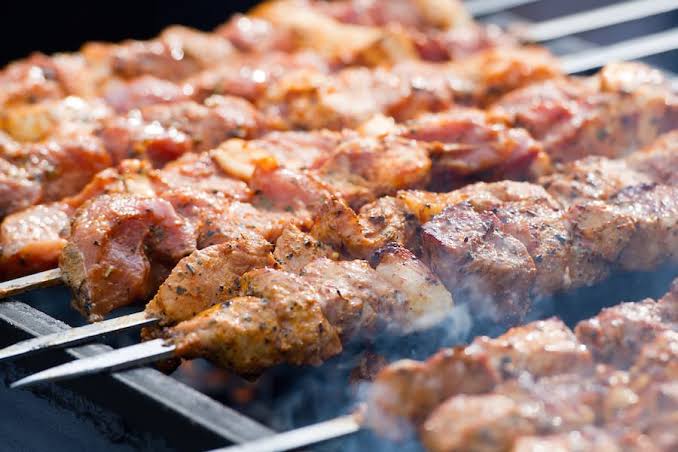
Heat is your best defense against food-borne illness. Look for stalls where the food is cooked to order right in front of you over an open flame, boiling broth, or a scorching griddle. A bowl of soup with broth kept at a rolling boil, or a fresh taco where the pork is sliced directly from a sizzling spit, is statistically safer than a lukewarm buffet sitting under a heat lamp at a three-star hotel resort.
3. Separate the Money Hands from the Food Hands
Observe the vendor's workflow before you order. In well-run street food operations, there is a strict division of labor: one person handles the raw ingredients and cooking, while another person handles the cash and makes change. If it is a solo operation, check whether the vendor uses tongs, plastic gloves, or utensils to handle your food rather than touching bare currency and then grabbing your meal directly.
4. Be Strategic About Fresh Produce and Tap Water
In regions where tap water isn't safe to drink, the danger often isn't the meat—it's the raw garnish. Pre-cut fruit sold in plastic bags, unwashed lettuce, and raw cilantro might have been rinsed in tap water. Stick to fruits you can peel yourself (like bananas, mangoes, or oranges), cooked vegetables, and drinks served from sealed bottles or cans. If you want ice in your drink, look for cylindrical ice cubes with a hole through the middle; this shape indicates it was produced in a commercial purification plant rather than frozen from local tap water in a home freezer.
5. Build Your Tolerance Gradually
Don't land in a new country after a 14-hour flight and immediately eat a massive, heavily spiced street meal from the first cart you see. Travel fatigue and jet lag temporarily weaken your immune and digestive systems. Give your gut microbiome 24 to 48 hours to adjust to the new environment. Start with simple, well-cooked dishes at established local joints before diving deep into night markets and adventurous street alleys.
Eating on the street is one of the most rewarding ways to connect with a destination's heritage, economy, and daily rhythm. By replacing fear with situational awareness, watching the crowds, trusting high heat, and paying attention to basic hygiene indicators, you unlock a world of incredible flavors that sit entirely outside the tourist bubble. Trust your senses, respect the local food culture, and let your appetite lead the way.