Kenya
Quiet Ways to Slash Your Travel Costs Without Ruining the Trip
You don't need to sleep in airport terminals or survive on instant noodles to explore the world on a budget. The most effective money-saving travel habits are invisible adjustments that eliminate the "tourist tax" without compromising your comfort or experiences. From trading restaurant lunches for neighborhood grocery markets and mastering the shoulder season sweet spot to dodging 3% foreign transaction fees and booking regional trains in local currencies, here are seven proven ways to stretch your travel funds while actually enjoying the ride.
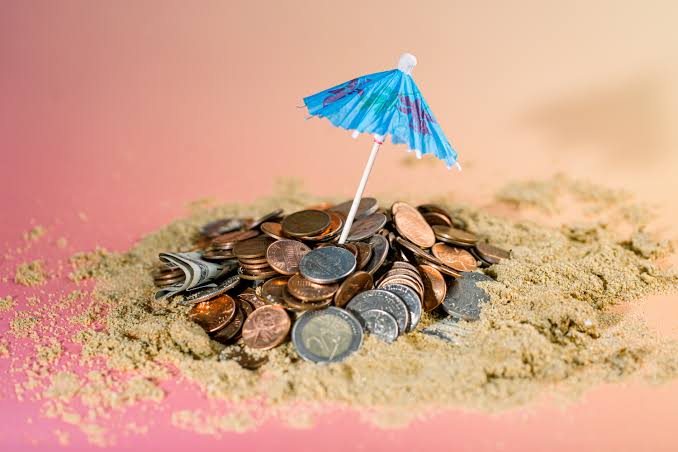
We have all read the extreme budget travel advice: sleep in airport terminals, survive on instant noodles, and walk four miles with a heavy backpack just to avoid a $3 bus fare. That isn't traveling—that is endurance training. You don't need to strip the joy out of your itinerary to keep your bank account intact. The most effective budget adjustments are invisible; they don't compromise your comfort or your experiences, but they systematically eliminate the "tourist tax" that drains your wallet. Here is how to stretch your travel funds while actually enjoying the ride.
1. Treat Grocery Stores Like Cultural Excursions
Restaurant bills are almost always the single biggest budget leak on a trip. Instead of dining out three times a day, replace your morning or midday meal with a visit to a local supermarket or neighborhood market. In Italy, grabbing fresh focaccia, prosciutto, and local cheese from an alimentari costs a fraction of a sit-down lunch and tastes remarkably better. In Japan, evening convenience store (konbini) runs yield high-quality meals at half price before closing. You still eat exceptionally well, but your daily food spend drops by 40%.
2. Apply the "Three-Block Rule" for Dining and Drinks
Never eat or drink within direct sight of a major tourist monument. Restaurants situated next to the Colosseum, the Eiffel Tower, or Times Square pay astronomical rents, which they pass directly onto you through inflated menu prices and deflated quality. If you walk just three blocks away from the primary tourist epicenter—preferably into a residential side street—prices drop predictably, menus switch back to the local language, and meal quality increases drastically.
3. Stop Paying the Invisible 3% Bank Tax
If you are still using a standard debit or credit card that charges foreign transaction fees, you are throwing away 3% on every single purchase, ATM withdrawal, and hotel reservation. Before your next trip, apply for a fee-free travel card (such as a checking account that refunds global ATM fees or a dedicated no-foreign-fee credit card). Furthermore, whenever a card terminal abroad asks if you want to be charged in your home currency or the local currency, always choose the local currency. Selecting your home currency triggers Dynamic Currency Conversion (DCC), an exchange rate markup that can cost you up to 10% extra.
4. Master the "Shoulder Season" Sweet Spot
Peak season brings peak prices, suffocating crowds, and fully booked trains. Off-season often brings closed attractions and relentless bad weather. Your target is the shoulder season, the six-to-eight-week windows just before or after peak tourism (typically April to May and September to October in Europe and North America). Flights and accommodations are routinely 20% to 50% cheaper, the weather is mild, and you get to experience popular cities as functional communities rather than crowded theme parks.
5. Book Transit in the Local Currency and Language
When booking domestic flights, regional trains, or ferry tickets online, check the website’s country switcher. Booking a train through an international portal often adds service fees and unfavorable conversion rates. For example, booking Spanish high-speed rail directly through the native desktop site in Euros is consistently cheaper than using third-party English booking aggregators that add convenience markups.
Smart travel budgeting has never been about deprivation; it is about intentionality. By cutting out the invisible markups, the bank fees, the proximity taxes near monuments, and the peak-season surcharges, you free up your resources for the things that genuinely matter: an unforgettable excursion, a room with a better view, or simply extending your trip by a few extra days. Keep your wallet protected from the tourist traps, and let your budget fuel your next random escapade.