Photography
Beyond the Postcard: How to Capture Travel Photos That Actually Tell a Story
Ever return from an incredible trip, import your pictures, and realize they look like generic postcards you could have downloaded online? Great travel photography isn't about owning an expensive camera lens; it is about changing how you observe a destination. From waking up at dawn before the crowds arrive and capturing the emotional "in-between" moments of public transit to mastering respectful street portraits and putting your camera away for the first ten minutes, these practical photography tips will help you move beyond static snapshots and capture images that genuinely transport you back to how a place felt.
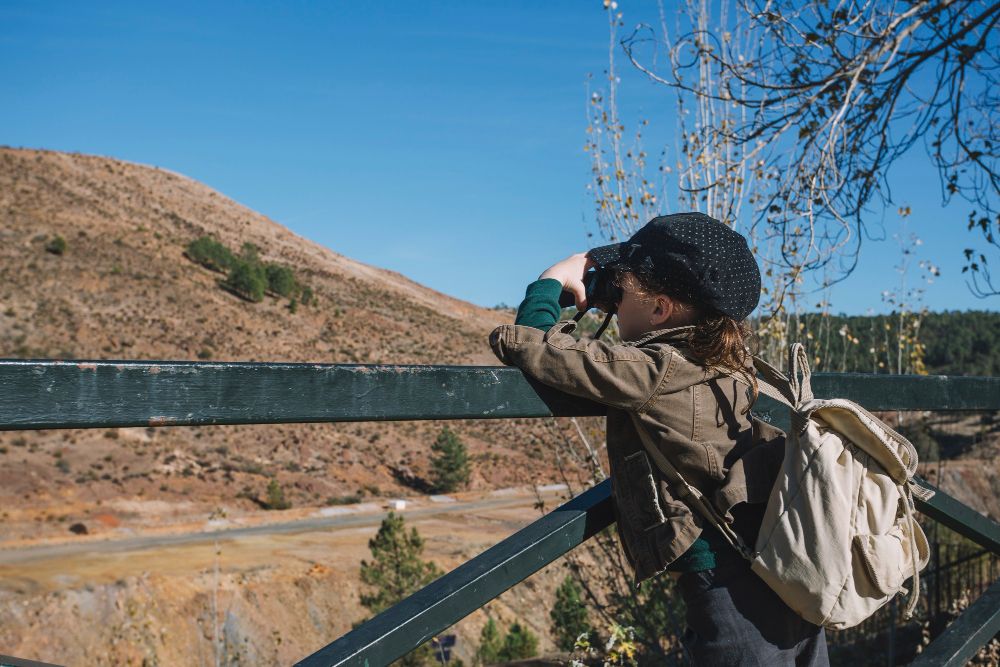
You get home from a two-week trip, import two thousand photos to your computer, and realize that 90% of them look like generic stock images you could have downloaded online. We have all done it: standing in the exact same spot as ten thousand tourists before us, snapping a wide-angle photo of a famous monument at midday, and moving on. Great travel photography isn't about owning an expensive camera lens; it is about changing how you observe a destination. Here is how to move beyond static postcard shots and capture images that genuinely transport you back to how a place felt.
1. Shoot the "In-Between" Moments
The monument is rarely the story; the journey to get there is. Instead of only pulling your camera out when you reach the viewpoint, keep it accessible during transit. A photograph of an older man reading a newspaper on a sunlit ferry, or rain splattering against the window of a crowded night train, carries far more emotional weight and narrative context than a standard shot of a famous beach or statue.
2. Wake Up Before the City Does
If you want world-famous locations to yourself, without a sea of selfie sticks and tour umbrellas, set your alarm for 30 minutes before sunrise. Cities undergo a magical transformation at dawn. The light is soft and warm (the golden hour), the streets are empty, and you get to witness a destination waking up: shopkeepers rolling up metal grates, street sweepers at work, and locals grabbing their morning coffee. The atmosphere is authentic, intimate, and infinitely easier to photograph cleanly.
3. Introduce Human Scale and Movement
A grand landscape or a towering cathedral can fall flat in a photograph because the viewer has no sense of scale. Introduce a human element to anchor the frame. A single person walking through the bottom corner of a massive architectural shot instantly communicates the immensity of the structure. Use a slightly slower shutter speed to capture the motion blur of a bustling crowd moving past a stationary vendor—it conveys energy and life much better than a frozen, static snapshot.
4. Ask for Permission with Your Eyes First
Street portraits can be the most rewarding travel photos, but taking photos of strangers without consent feels predatory and intrusive. You don't always need to share a language to ask permission. Make eye contact, offer a genuine smile, and slightly gesture toward or lift your camera with an inquiring nod. Nine times out of ten, people will smile back and nod their approval. If they hesitate, shake their head, or look uncomfortable, lower the camera immediately, thank them, and walk away. Respect always trumps a good photo.
5. Put the Camera Away for the First Ten Minutes
When you arrive at an incredible location, resist the urge to immediately lift your camera to your eye. When you experience a place exclusively through a viewfinder or a phone screen, your brain shifts from experiencing to collecting. Spend the first ten minutes simply standing there. Notice where the light falls, watch how people interact with the space, and let yourself actually absorb the environment. Once you understand the mood of the location, the photos you take will be infinitely more thoughtful and intentional.
The best travel photographs are rarely the ones that replicate what a postcard looks like; they are the ones that preserve how an escapade felt. By waking up early, paying attention to the quieter transitional moments, and approaching locals with genuine empathy and respect, your camera transforms from a barrier into a tool for connection. Remember to look up from the screen, stay present in the moment, and let the narrative of the journey guide your lens.