Random Escapade
10 Tips I Wish I Knew Earlier as a Beginner Solo Female Traveler
Solo travel among women has become the norm, but taking that first leap alone can still feel intimidating. We aren't asking if it's safe to go alone anymore, we're asking how to do it well. Instead of learning the hard way, explore these 10 practical tips for beginner solo female travelers, covering everything from packing essentials and budgeting for single supplements to building situational awareness and confidence on the road.
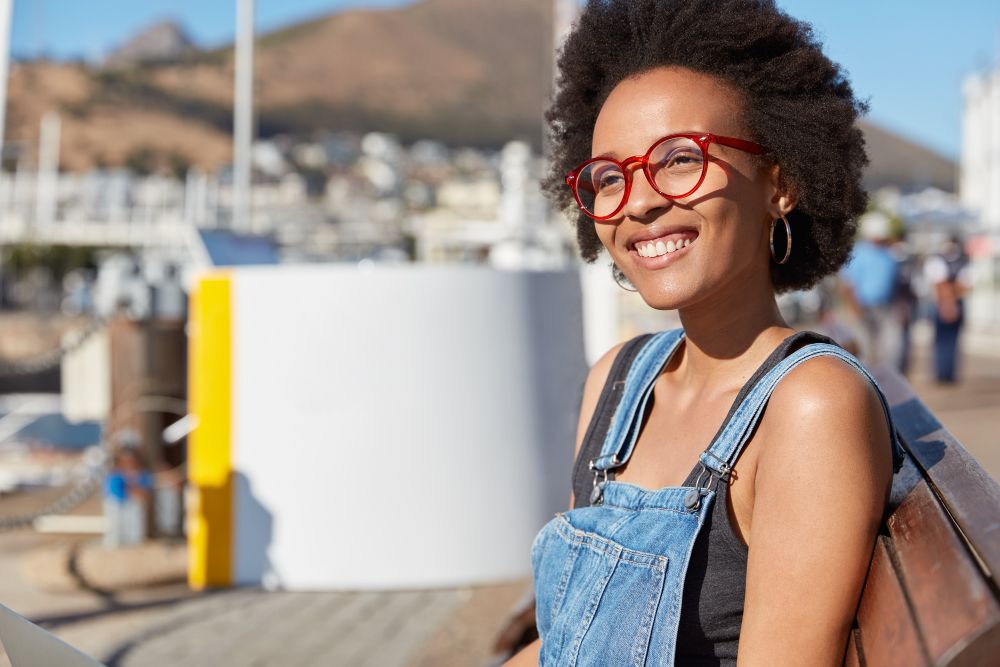
The first time you book a flight for one, print one boarding pass, and walk through a new airport with no one to check in with but yourself, something shifts. It's partially thrilling, and entirely worth it.
Solo travel among women has stopped being the exception and become the norm: women now make up an estimated three-quarters to over four-fifths of all solo travelers worldwide, and search interest in "solo female travel" has climbed to a fifteen-year high. We're not asking if it's safe to go alone anymore we're asking how to do it well.
Here are the ten things I wish someone had told me before my first solo trip, instead of learning them the hard way.
1. Your First Trip Doesn't Need to Be Your Boldest One
There's a pressure, especially online, to make your first solo trip a dramatic leap a six-month backpacking odyssey or a remote mountain trek. Don't. Ease in. Choose a destination with a language you speak or that's widely spoken, reliable infrastructure, and a strong safety reputation. Countries like Iceland, Japan, Portugal, and New Zealand consistently rank near the top of global safety indexes for women traveling alone, and for good reason: dependable public transport, low rates of street harassment, and easy access to help if you need it. Save the ambitious itinerary for your third or fourth trip, once you know how you actually respond to being alone in an unfamiliar place.
2. Overpacking Safety Gear Is a Sign of Anxiety, Not Preparedness
I used to think safety meant buying every gadget on a "solo female travel essentials" list door alarms, hidden money belts, decoy wallets. Some of it helps. Most of it just weighs down your bag and your headspace. The travelers who report feeling safest tend to invest in a handful of things that actually matter: a good anti-theft daypack, travel insurance, a portable charger so your phone never dies at the wrong moment, and a written-down (not just saved) copy of emergency contacts and your accommodation address in the local language. Confidence, not equipment, is your real defense.
3. Tell Someone Your Real Plans, Not a Vague Summary
"I'll be in Portugal for two weeks" is not a safety plan. Before you leave, share your actual itinerary with someone you trust: which city you're in each night, where you're staying, and a rough check-in schedule. It sounds unglamorous, almost like reporting to a parent, but it's one of the simplest habits that separates travelers who feel secure from those who don't. A quick daily text "arrived, all good" costs nothing and buys you real peace of mind on both ends.
4. Book Your First Night Before You Land, Every Time
Winging accommodation works fine once you're experienced enough to read a neighborhood at a glance. As a beginner, don't do it. Arriving somewhere new, tired, disoriented, and without a confirmed place to sleep is exactly when bad decisions get made the wrong taxi, the wrong street, the wrong instinct to trust a stranger's "great deal." Book your first one to two nights in advance in a well-reviewed area, then figure out the rest once you've got your bearings.
5. Hostels Aren't Just for Twenty-Somethings on a Budget
I avoided hostels for years, assuming they were loud, unsafe, or simply not "for me." That was a mistake. A good hostel with strong reviews is often the single fastest way to meet other travelers, get real-time local advice, and avoid the isolation that can creep in on a longer solo trip. Female-only dorms are now standard at most well-run hostels, and the built-in community solves a problem many solo travelers don't anticipate: not fear, but loneliness.
6. Learn to Read a Room Before You Learn to Read a Map
The most useful travel skill nobody teaches you is situational awareness noticing who's paying attention to you, sensing when a street feels different after dark than it did at noon, trusting the small discomfort in your gut before you can articulate why. This isn't paranoia; it's the same instinct locals use every day in their own cities. Cultivate it deliberately in the first few days of any new destination, and it becomes second nature by the second week.
7. Cost, Not Fear, Is the Real Obstacle Most Women Face
We talk endlessly about safety, but surveys of solo female travelers consistently find that the financial reality not having anyone to split a hotel room, a rental car, or a tour fee with is named as often as personal safety when it comes to solo travel concerns. Budget for this honestly from the start. Travel in shoulder season, use hostels or work-exchange stays strategically, and look at women-only group tours for the pricier parts of a trip, like multi-day treks or safaris, where splitting logistics with a small group brings costs down without losing the "just me" feeling of the rest of your journey.
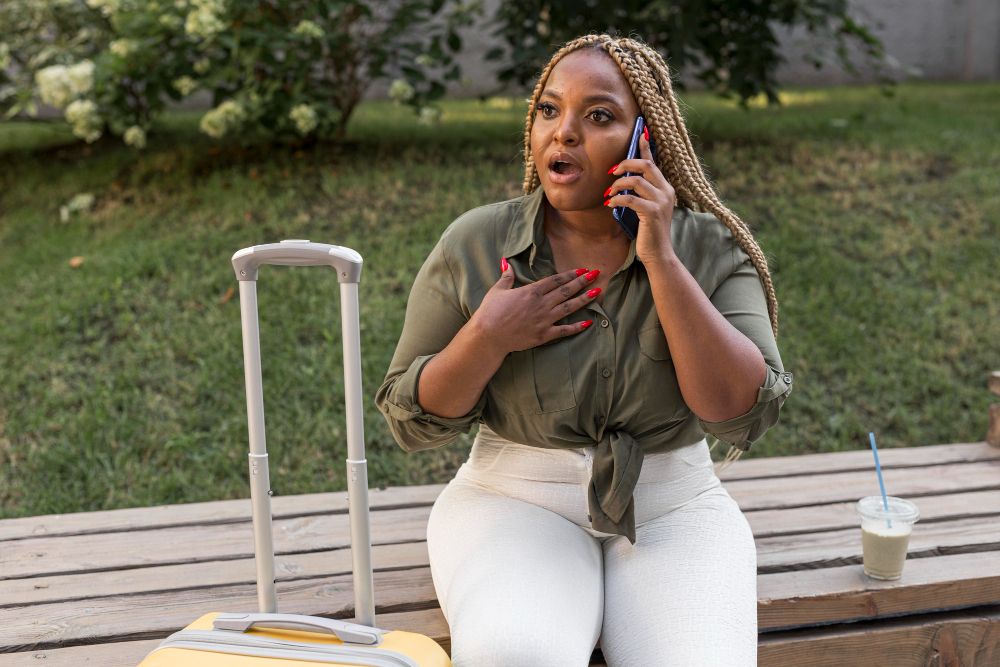
8. Women-Only Group Trips Are Not a Compromise
I used to think booking a women only tour for part of a solo trip meant I'd somehow failed at "real" solo travel. It's the opposite. Demand for women only group travel has grown sharply, with a fifth of solo female travelers taking one in recent years and planning to book again precisely because it offers the independence of solo travel with the built-in safety net and social connection of a group for the trickier legs of a journey. Use it strategically: solo in the cities you feel confident navigating, grouped for the remote trek or the destination where local guidance genuinely matters.
9. The Loneliest Moment Usually Isn't the Scary One
Nobody warns you that the hardest part of solo travel often isn't a dangerous street or a missed train it's a Tuesday evening alone in a restaurant with no one to talk to about your day. Plan for this emotionally, not just logistically. Say yes to hostel common rooms, city walking tours, cooking classes, and the dozens of small structured social moments built into most destinations now specifically because so many people travel alone. You don't need a travel companion to avoid feeling completely on your own.
10. Confidence Is Built by Trip Three, Not Trip One
Give yourself permission to feel awkward, overly cautious, or homesick on your first solo trip. Every traveler who now describes solo travel as second nature had a first attempt that felt clumsy. The data backs this up: fear and worry about solo travel drop noticeably with experience, while a small share of first-timers report feeling genuinely unsafe at some point a real number, worth respecting, but a minority experience rather than the rule. Trip one teaches you what you actually need. Trip two refines it. By trip three, you'll wonder what took you so long to start.
Final Thoughts
Solo travel as a woman isn't about eliminating risk no form of travel does that it's about replacing vague anxiety with specific, learnable skills: how to pick a destination, how to pack light on gear and heavy on instinct, how to budget honestly, and how to let a group trip be part of a solo journey instead of a failure of one.
The version of you that boards that first flight alone will not be the same version that comes home. That's rather the point.